A steel newsroom desk edge with an open mechanical stopwatch beside a blank sheet of paper under cold side window light

12 November 2026 Editorial standards Karachi newsroom

Two in the morning, the wire is still warm.

Every story on this site is filed by a person sitting at a screen in Karachi — sourced, credited, timestamped, and corrected in the open. Here is exactly how that works, and where to push back when it doesn't.

A night press desk with two monitor backs turned to camera, an amber lamp lighting a blank notebook

The desk, tonight

Verification happens before filing — not after a reader complains.

Start here

Reporting that holds, and the limits it keeps.

This page explains how GamePulse Daily gathers information, credits it, corrects it, and keeps commercial pressure away from editorial decisions. It applies to every story on the site, including the ones that move quickly.

Standards · first principle

A fact we cannot attribute does not run.

Sourcing, corrections, updates, and right of reply all exist so a reader can trace a claim back to a named origin. If the trail is thinner than the claim, the claim waits. No exceptions for stories with momentum, and no exceptions for stories a partner might prefer we ran differently.

  • Named origins, in the sentence
  • Dated corrections, not silent edits
  • Paid pages kept out of news feeds
  • Every published sentence read by a person

Policy · reviewed 12.11.2026 PKT

Read the rules
Corrections desk

Errors stay visible.

We correct the story, add a dated line, and never delete the original text.

Corrections

How we fix it
Independence

Advertising does not choose.

Partners cannot place, pull, or pre-read a story in the archive. Paid pages are labelled.

Independence

Where the line is

Sourcing

Where the facts come from, and how they are named.

We work from named wire reporting, public statements, official documents and direct tips. When a fact comes from a wire service, the service is named in the sentence rather than left implicit. When it comes from a rescue group, a medic, a court filing or a ministry, the copy says which one.

Anonymity is granted to sources, not to facts. A source who cannot be named still has to be described precisely enough for a reader to judge the claim. "A security official in Khyber Pakhtunkhwa" tells you something. "A source" tells you nothing, and we do not use it.

We do not publish a claim we cannot attribute, and we do not upgrade a preliminary figure into a confirmed one by dropping the word preliminary only because the number is steadier in a headline than it is in the report. Where a figure is still moving, the copy says so, and the timestamp on the plate says when.

What a good attribution looks like

Wire and agency reporting
The agency is named in the sentence; we do not present agency copy as our own original reporting.
Named documents and filings
The document type and issuing body are stated — a court filing, a ministry statement, a company results release.
Described, unnamed people
Role, region and how they would know the fact — enough for a reader to weigh the claim, without naming a person who would be exposed by it.
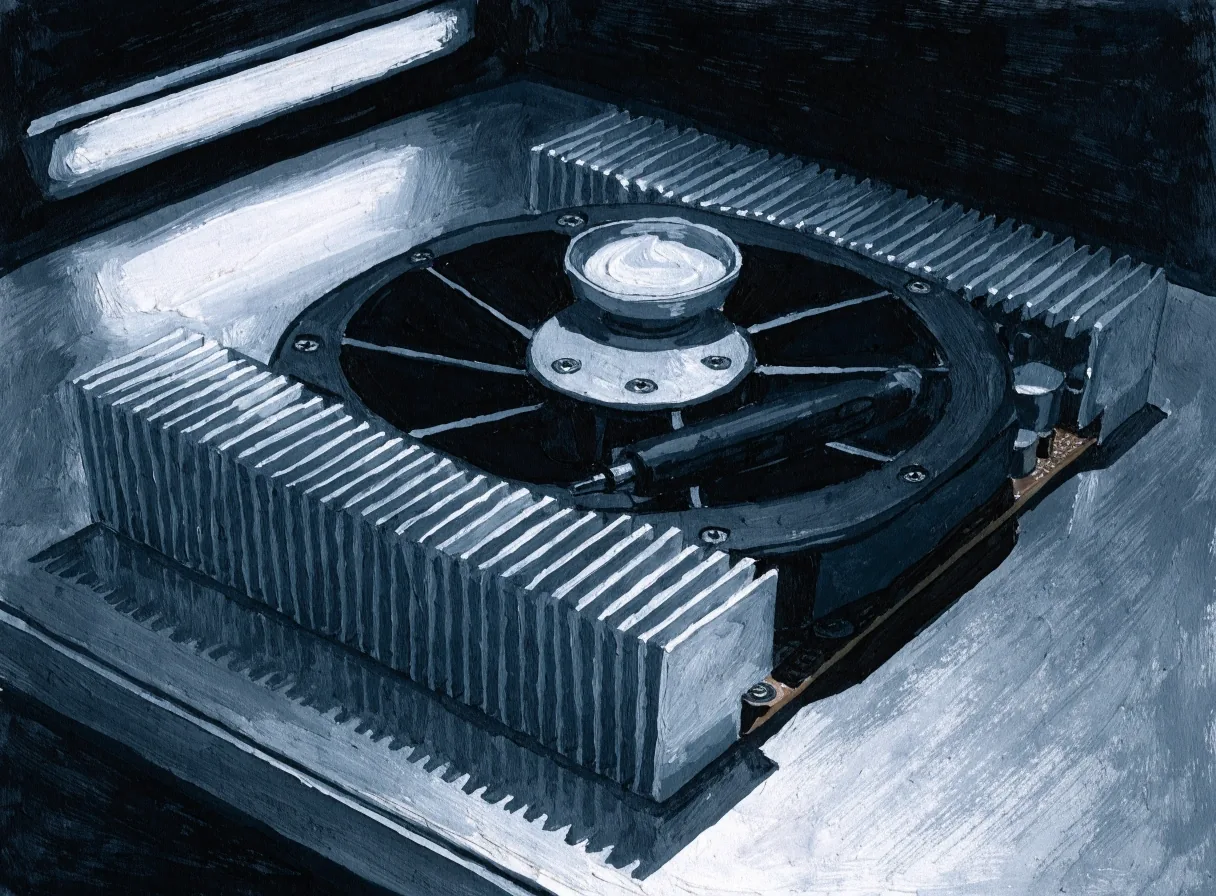
A graphics card on a service bench with a torque driver resting on the fan shroud under an overhead lamp
Hardware desk Filed 02:14 PKT

Tips

Send something we should look at.

Tips are read by the newsroom, not by an advertising team. You do not have to give a name, and nothing is published without a second check.

Contact the newsroom

Corrections

Errors get a dated line, not a quiet delete.

When a story contains an error, we correct the story and note the correction on the page. We do not delete the original text and pretend it never ran. If the error changes the meaning of a headline, the headline changes too.

Corrections are dated. A figure that was revised, a name that was misspelled, a location that was wrong: each gets a line saying what it said before and what it says now. Anyone reading the story later sees the same line the first reader would have seen after the fix.

What a correction note carries

  • What it said before. The original wording is quoted in the note so the change is visible to anyone who read the earlier version.

  • What it says now. The corrected figure, name or location, restated in the same place the error sat.

  • The date the fix ran. Corrections carry a date so the archive does not silently rewrite itself.

How to send one

Send correction requests through the contact page. Include the story, the specific claim and, if you have one, the source that contradicts it. We will respond either way.

Updates to developing stories

Some stories develop over days. Casualty figures get revised, official statements arrive late, and a detention that looked permanent becomes a release. We update the original page rather than filing a new story, and the update is noted.

The publication date stays as the date of first filing. That way the archive does not silently reorder itself, and a reader who saw the story yesterday can find the same page today with the change visible.

Where an update contradicts earlier reporting, we say so. Where it merely adds detail, we add it without a flag.

What a developing story looks like in the archive

First filing
The original text, dated, stays at the top of the page where it was first published.
Update lines
Each later change carries a short dated note saying what moved and where.
Contradiction flag
When a new fact overturns an earlier one, the note says so plainly rather than quietly swapping the number.

Independence from commercial arrangements

Advertisers fund the site; they do not choose the stories.

Advertising and sponsorship do not influence what we cover, how we cover it, or where a story appears. A commercial partner cannot place a story in the archive, remove one, or see it before publication.

Any page carrying paid content is labeled as such and kept out of the news feeds. We do not publish sponsored posts that read like reporting, and we do not run affiliate links inside news copy.

If a member of the newsroom has a financial interest in a company we cover, that interest is disclosed on the story or the writer is removed from it. We have no outside owners directing coverage. Where an interest exists and cannot be disclosed cleanly, the story waits.

A commercial partner cannot place a story, pull a story, or read one before you do.

Editorial policy · GamePulse Daily

Right of reply

If you are named, you get to answer.

Anyone criticized in a story can respond, and we will publish a fair summary of that response. Requests for comment sent before publication get a stated deadline. If no reply arrives by the deadline, the copy says a request was made and no response was received.

We do not publish a denial as though it were a correction. A statement from the subject of a story is reported as their statement, labeled and attributed.

Legal threats do not change the reporting. If a claim cannot be supported, we correct it. If it can, it stays.

How a right-of-reply request is handled

  1. 1

    Request sent with a deadline. You get a stated time to respond, in writing, before the story files.

  2. 2

    Either answer gets recorded. A reply is summarised fairly; a non-reply is noted in the copy as a request that received no response.

  3. 3

    Your statement stays your statement. Denials run as responses, labeled and attributed, not folded into correction notes.

Use of AI and automated tools

Machines help us transcribe. People write and check.

We do not publish machine-generated copy as reporting. Tools may be used for transcription, translation drafts or research organization, but every published sentence is written and verified by a person on the newsroom staff.

That is the whole policy. There is no automated publishing pipeline on this site, and no story goes live without a human reading it.

When a tool has been used in the preparation of a story — a long interview transcribed, a document translated from Urdu into English as a starting draft — it is a working step, not a byline. The verification still happens on the desk, by a person, before anything is filed.

Where tools are allowed

  • Transcription. Long recorded interviews and press calls become readable drafts faster for a reporter checking them line by line.

  • Translation drafts. Urdu-language sources can be roughed into English for a bilingual staffer to confirm before quoting.

  • Research organisation. Sorting public filings, releases and forum threads so a reporter reads them faster — never publishing from them unread.

Where this work happens

The desks that produce the wire.

Scroll sideways to move through the bench

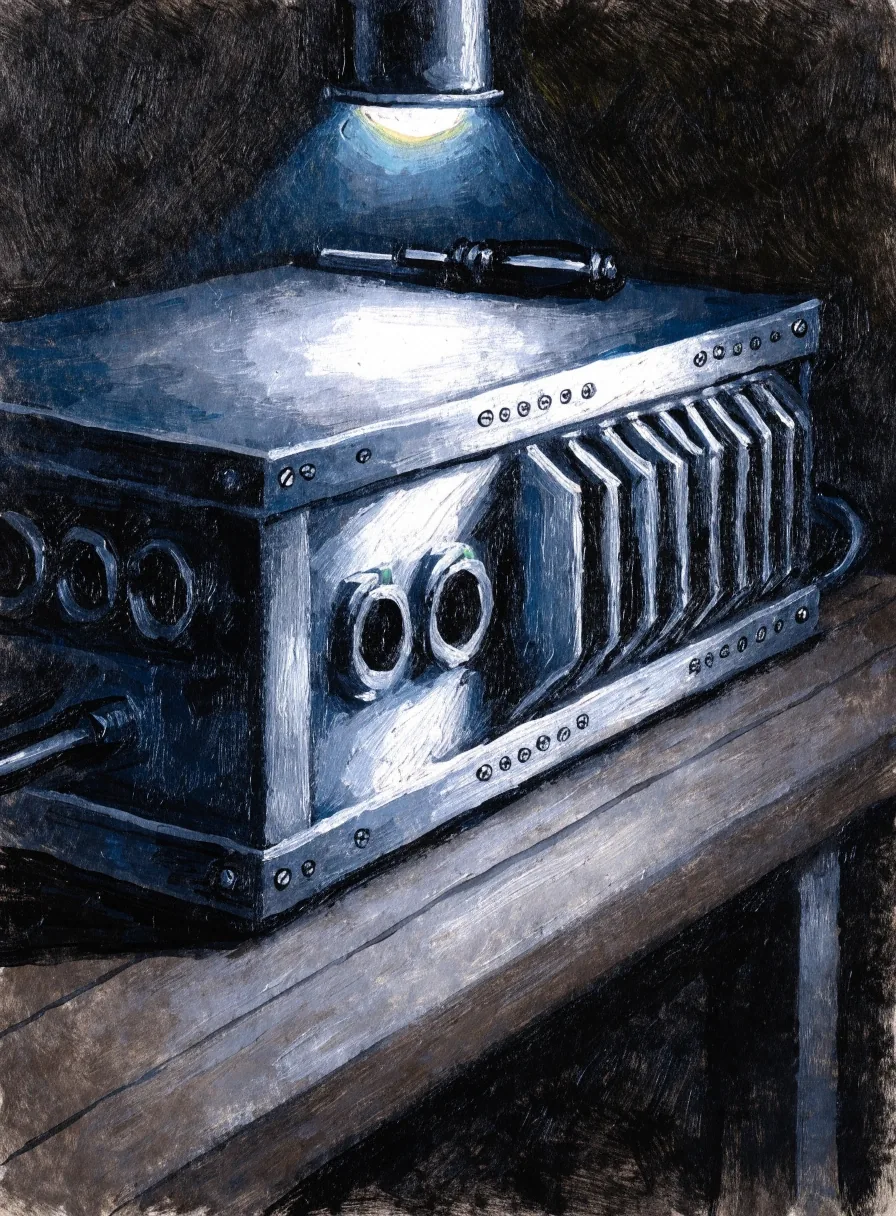
A rack panel on a service bench with a screwdriver across the top edge under overhead light

Hardware & platform desk

Test benches and teardown work — hardware claims get checked on a bench, not on a press release.

A mechanical keyboard on a steel desk with a torque driver and a fan bolt beside it under overhead light

Apps & peripherals desk

Software and accessory reviews are run on the same gear readers use — not on a sponsor's demo unit.

An opened games console on a workbench with its top shell beside it under cool light

Games desk

Platform and patch notes get read against the console in front of us, so a bad update is reported as one.

Questions readers actually ask

The short answers, on the wall.

Q.01 Can I submit a tip anonymously?

Yes. The contact form does not require a name or email address. If you do leave contact details, we will only use them to follow up on the tip, and they are not shared with anyone outside the newsroom.

Q.02 Do you publish sponsored content?

Any paid content is labeled and kept out of the news feeds. Advertising does not influence editorial decisions and partners do not see stories before publication. A sponsored page that could be mistaken for a piece of reporting does not run at all.

Q.03 How quickly do you correct an error?

As soon as it is verified. Corrections are dated and shown on the story page alongside the original text, not made silently. A figure that changes twice gets a second dated note; the first one stays visible.

Q.04 Can a company or a government get a story changed?

If a claim in a story is wrong, it is corrected — the request does not have to come from an advertiser or a ministry for that to happen. If the claim holds up, the story stays. Legal threats are read by the newsroom, not by the ad team.

Weekly desk note

The wire, in one message a week.

One email with the week's moves in PC gaming, hardware, apps, and the Pakistani tech scene. No sponsored placements inside it — if it ever carries paid content, that line sits at the top and the send stops being weekly.

Sent Fridays · unsubscribe any time

Who we are and how to reach us

A Karachi desk, publishing for anyone reading.

GamePulse Daily publishes from Karachi for readers in Pakistan and abroad. Editorial questions, tips, corrections and right-of-reply requests all go through the contact page, which lists our address, hours and message form.

For privacy questions, the privacy policy page covers what we collect and why. For cookie handling, see the cookie policy.

Newsroom details

Address
I.I. Chundrigar Road,
Karachi, Sindh 74200, Pakistan
Desk hours
Monday to Friday,
9:00 AM – 6:00 PM

Correction requests get a reply either way — including when we look into a claim and find it holds up. If you are sending a right-of-reply request, name the story and give us a deadline to work to.

Editorial standards · GamePulse Daily

If we got something wrong, tell us — the correction is the point.