
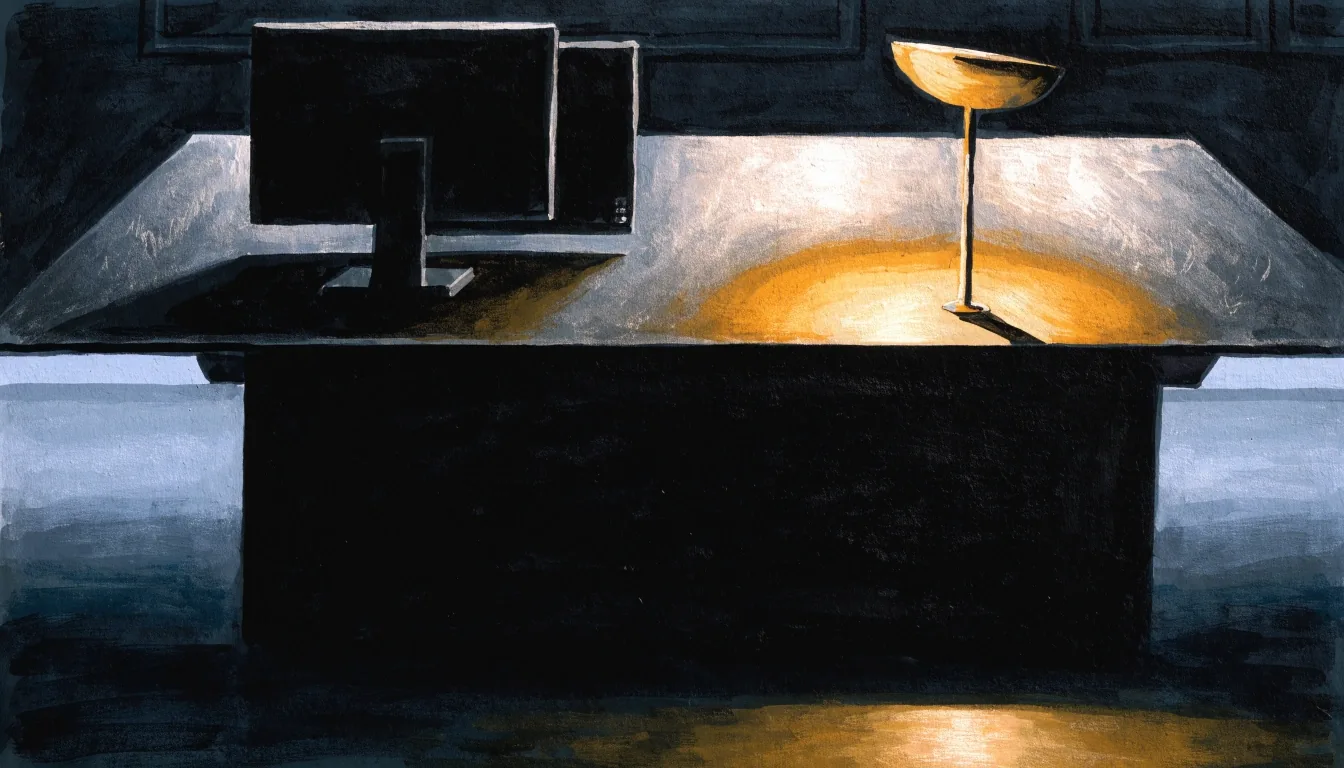
The rains that did not come
Relief here usually arrives with wind or rain. When neither shows up for a week, the number holds.
11 Nov · 21:40 PKT
Environment
Thursday 12 November 2026 · Lahore
Air quality desk
Reuters reported that Pakistan blamed deteriorating air quality in Lahore on pollution drifting from India after Diwali fireworks. During the episode, Lahore ranked among the world’s most polluted major cities according to IQAir data cited in the report.
Relief here usually arrives with wind or rain. When neither shows up for a week, the number holds.
Source apportionment studies take months. Until one lands, an official statement stays a statement.
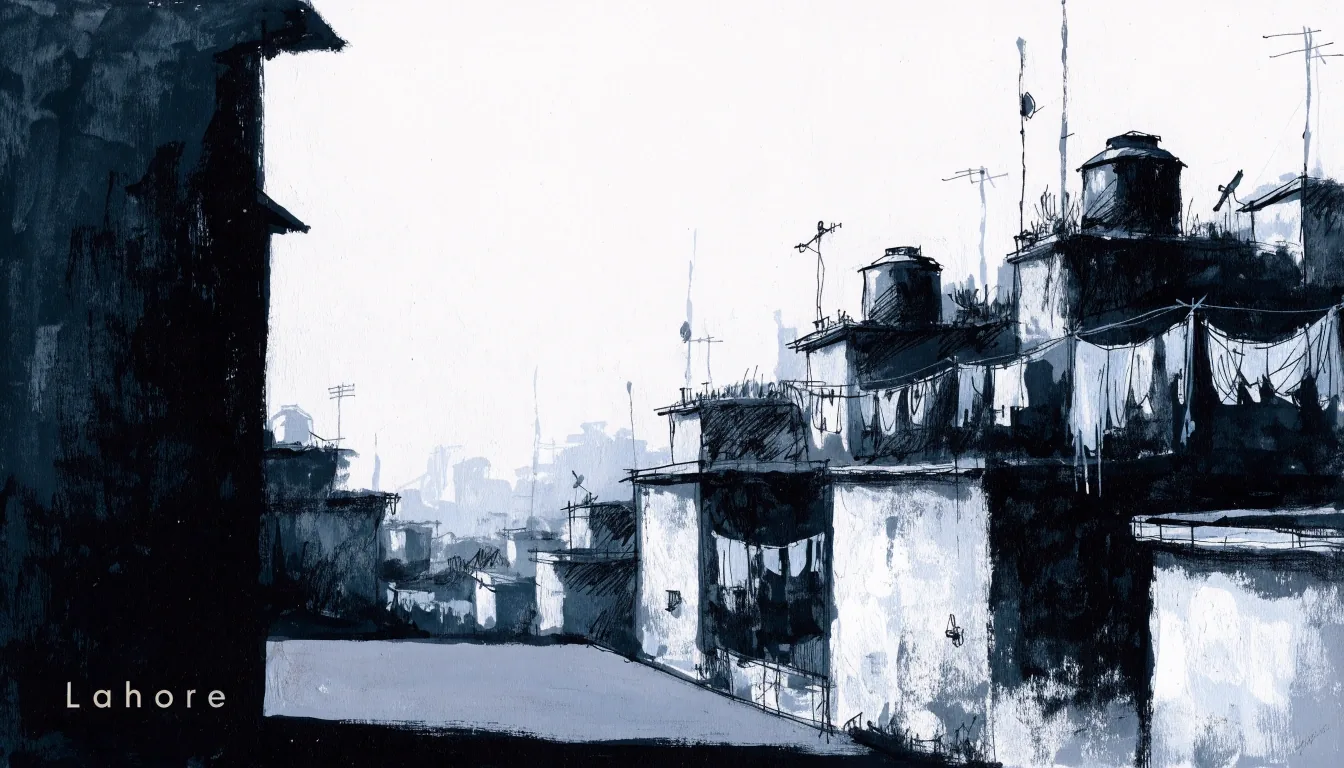
Lahore, morning haze over the rooftop line · the city reads its own air in the cold months
IQAir data cited in the reporting placed Lahore among the world’s most polluted major cities during the episode. That ranking is a snapshot of a specific period rather than a permanent condition, and the measurement varies by hour.
The city’s air quality tends to deteriorate in winter regardless of cross-border factors. Lower temperatures create an inversion layer that traps emissions near the ground, and seasonal crop burning adds to the load.
We are reporting the ranking as it was measured. A ranking is a comparison, not a health assessment, and the two get conflated often enough that it is worth saying.
A city ranking compares one place against others at the same moment. It tells you where Lahore sat, not what breathing there does to a person over a season. Those are two different questions, and only the first one has a number handy.
Peaks arrive late at night and early in the morning, when the air goes still and colder layers settle under warmer ones. Afternoons usually read cleaner without the city having done anything to earn it.
Pakistani officials attributed the sharp deterioration to pollution drifting across the border from India after Diwali fireworks. That is an official attribution, and we name who said it rather than presenting it as an established cause.
Smoke does not carry a passport, and source apportionment studies take time.
Cross-border pollution is a long-running argument between the two countries, and it has been made in both directions over the years. Attribution is genuinely difficult: the air over Lahore on a bad morning is a mix, and separating one contribution from another takes equipment, modelling and time.
Officials also said conditions could improve as winds shifted and weather patterns changed. We are reporting that as a forecast from named officials, not as a resolution. A forecast describes the next few days. It does not describe what happens after them.
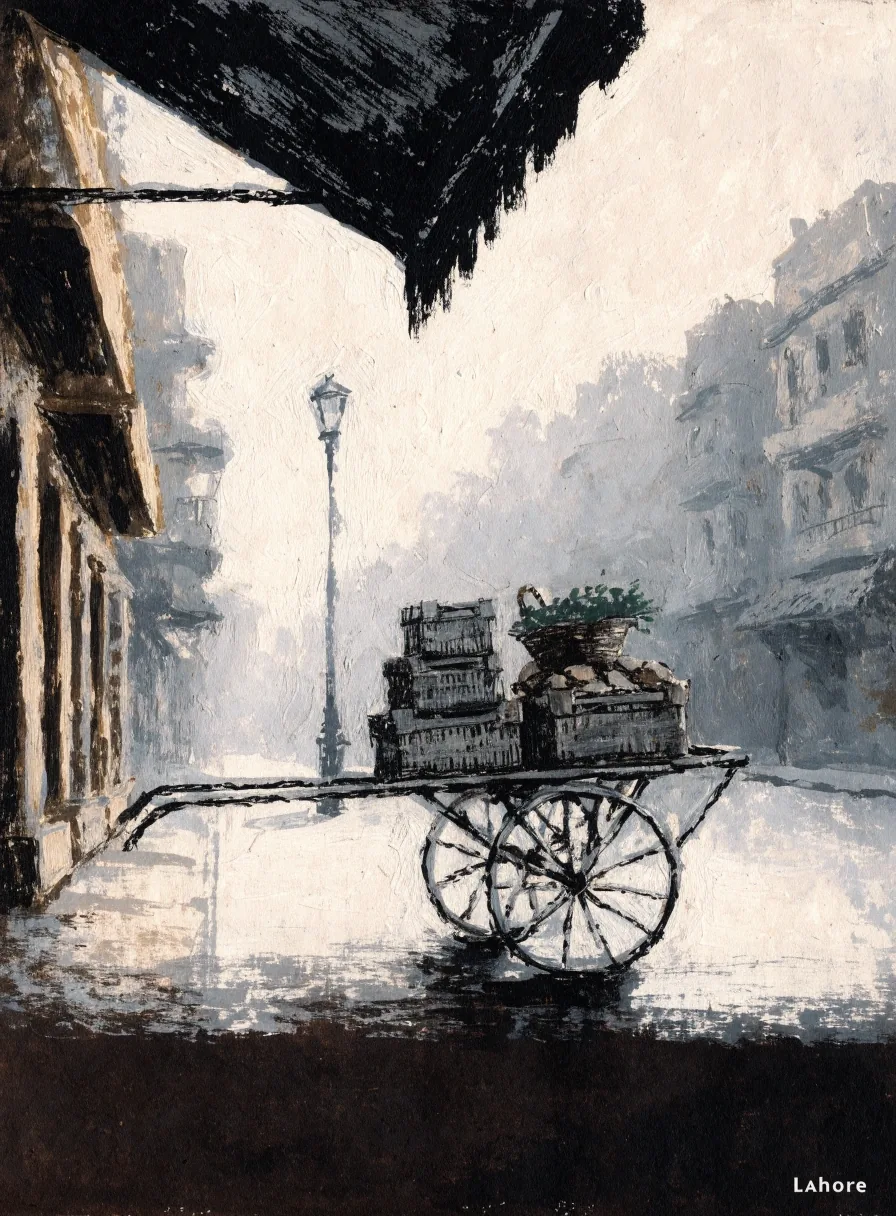
A shift in the wind is the fastest relief this city gets. It arrives without a policy attached, and it leaves the same way. The numbers fall for a few days and then climb back to where they were.
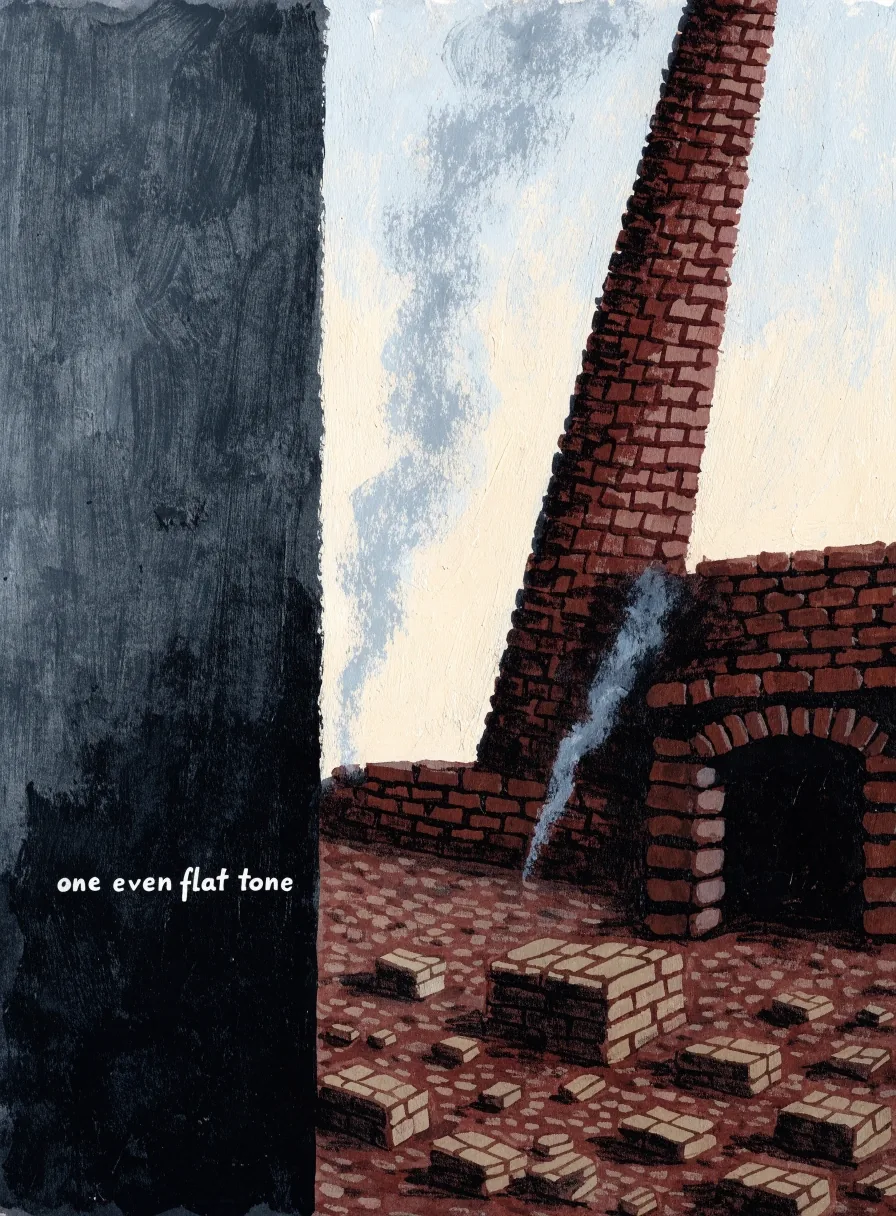
A winter rain washes the air for a day or two. It is the most complete cleanup the city sees, and the least predictable thing on this page. It cannot be scheduled, ordered or funded.
Neither of those is a policy, and both are temporary. When the meteorological conditions shift, the numbers improve for a period and then return. The structural sources, vehicle emissions, industrial output, brick kilns and seasonal burning, do not reset with the weather. That is why the city’s air quality tends to follow a yearly pattern rather than a downward or upward trend.
We will report the measurements as they come and note when the pattern breaks, if it does. If a winter passes without a single bad week, that is a story too, and we will file it the same way.
We do not publish a health impact estimate without a source that has actually produced one. Where the reporting establishes a figure, we use it. Where it does not, we say so. This is an environment story and a Pakistan story at once, and it is filed in both.
The distinction matters most on a story like this one, where a bad morning in Lahore and a long argument between two governments share the same front page. Keeping those claims separate is the whole job.
On the wire tonight
Lahore’s air quality at evening measurement, city centre station
Punjab environment department statement on seasonal burning controls
Vehicle inspection drive resumes along the city’s main arterials
Met office forecast points to a wind shift later in the week
Schools in the worst-affected districts weigh morning closures
Brick kiln operators in the outskirts respond to the enforcement notice
One email a week: the measurements we filed, the statements we attributed, and what changed in between. Sent Monday morning.
No more than one email a week. Unsubscribe any time.